
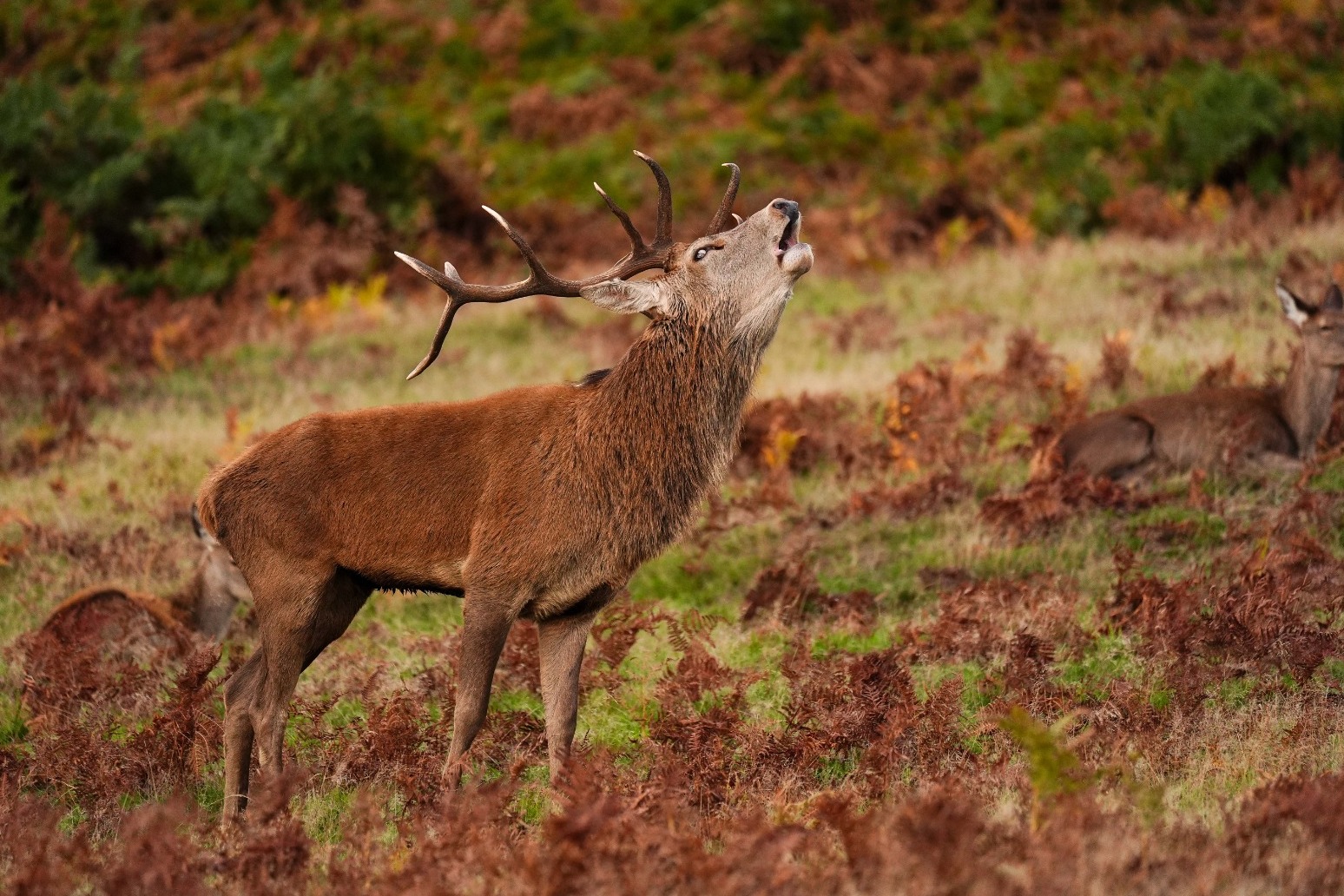
Vehicle collisions with deer during autumn rutting season hit six-year high – AA
Drivers are being urged to watch out for deer after collisions with vehicles during autumn rutting season hit a six-year high, according to AA data.
There were 284 deer-vehicle collisions recorded by the AA’s Accident Assist service between September 14 and November 13.
This is a 4% increase from the 273 incidents recorded during the same period last year and represented a 46% increase from the 195 collisions in 2021, the roadside assistance company said.
Although autumn rutting season is now coming to an end, the AA issued a warning alongside the British Deer Society (BDS) urging drivers to remain vigilant, particularly on roads surrounded by woodland and in rural areas.
The AA said its figures do not represent the overall number of deer incidents in the UK, with the national figure likely to be much higher.
Tim Rankin, managing director of AA Accident Assist, said collisions with the animals can happen in a “split second”, with the driver often having “little time to react”.
“We know from helping AA members following collisions just how distressing these can be, potentially causing serious injuries and as well as thousands of pounds worth of damage to vehicles,” he said.
“While the rutting season is drawing to a close, the danger hasn’t passed,” Mr Rankin added.
“Darker mornings and evenings can make deer harder to spot, particularly on rural roads and through woodland.
“We would encourage drivers to reduce their speed in areas where deer may be present and remember that where there is one deer, others may follow.
“If a deer suddenly appears in front of your vehicle, brake firmly while maintaining control.
“Swerving to avoid an animal could result in a far more serious collision.”
Charles Smith-Jones, technical adviser at the BDA, said that although the peak autumn rutting activity is ending, the animals remain active during late autumn and winter.
“Shorter days mean deer are often moving during periods of reduced visibility, particularly at dawn and dusk, but sometimes throughout the day,” he said.
Mr Smith-Jones added: “If you see one deer, expect others nearby and reduce your speed accordingly.
“Taking a little more time on these roads can help prevent serious injuries to both people and deer.
“There is no absolutely safe period.
“Motorists can encounter deer on the roads at any time of day or night, sometimes even in built-up areas where they might least expect to see them.”
Published: by Radio NewsHub