
Testing breast milk ‘may lead to earlier diagnosis of breast cancer’
Testing breast milk could lead to the earlier diagnosis of breast cancer, researchers believe.
Scientists at the University of Manchester are examining whether circulating tumour DNA from cancer, which can show up in breast milk, could identify the disease earlier than a blood test or scan.
Breastfeeding is known to lower the risk of breast cancer in the long term, but women have a higher risk during pregnancy and after giving birth.
Some women also have genetic faults that put them at higher risk of the disease when they are young.
Dr Niki Flaum, who is leading the study and is a consultant oncologist at the Christie NHS Foundation Trust In Manchester, said: “There is an urgent need to find better, more reliable ways to detect breast cancer in women during and after pregnancy.
“We believe breast milk may provide a unique and non-invasive window into what is happening inside the breast.
“We know surprisingly little about the genetic changes to breast milk, as this bio-fluid has been remarkably under-researched until now.
“Pregnancy-related breast cancer is more likely to be diagnosed at a later stage, when the cancer has already spread, and survival outcomes are significantly worse compared with women of the same age who have not recently given birth.
“Diagnosis is particularly challenging because breast imaging during pregnancy and lactation is often unreliable.
“If reliable methods for detecting cancer-related DNA in breast milk can be found, we hope future research will test whether this approach could be developed into a screening tool for women with breast cancer or those at high risk.”
Breast cancer is the most common cause of cancer-related death in women aged 35 to 64 in the UK.
Pregnancy-related breast cancer is thought to affect one in 3,000 pregnancies, but the risk can be as high as one in 50 among those at higher risk, such as women carrying a faulty BRCA gene.
The new research, funded by The Christie Charity, is initially recruiting 40 women producing breast milk – 25 with general population risk and 15 from a high-risk category where there is a family history of breast cancer.
The aim is to create a Manchester Breast Biofluid Biobank with more than 200 samples available for future research.
The University of Manchester team will analyse the samples of fluid at the National Biomarker Centre at the Christie.
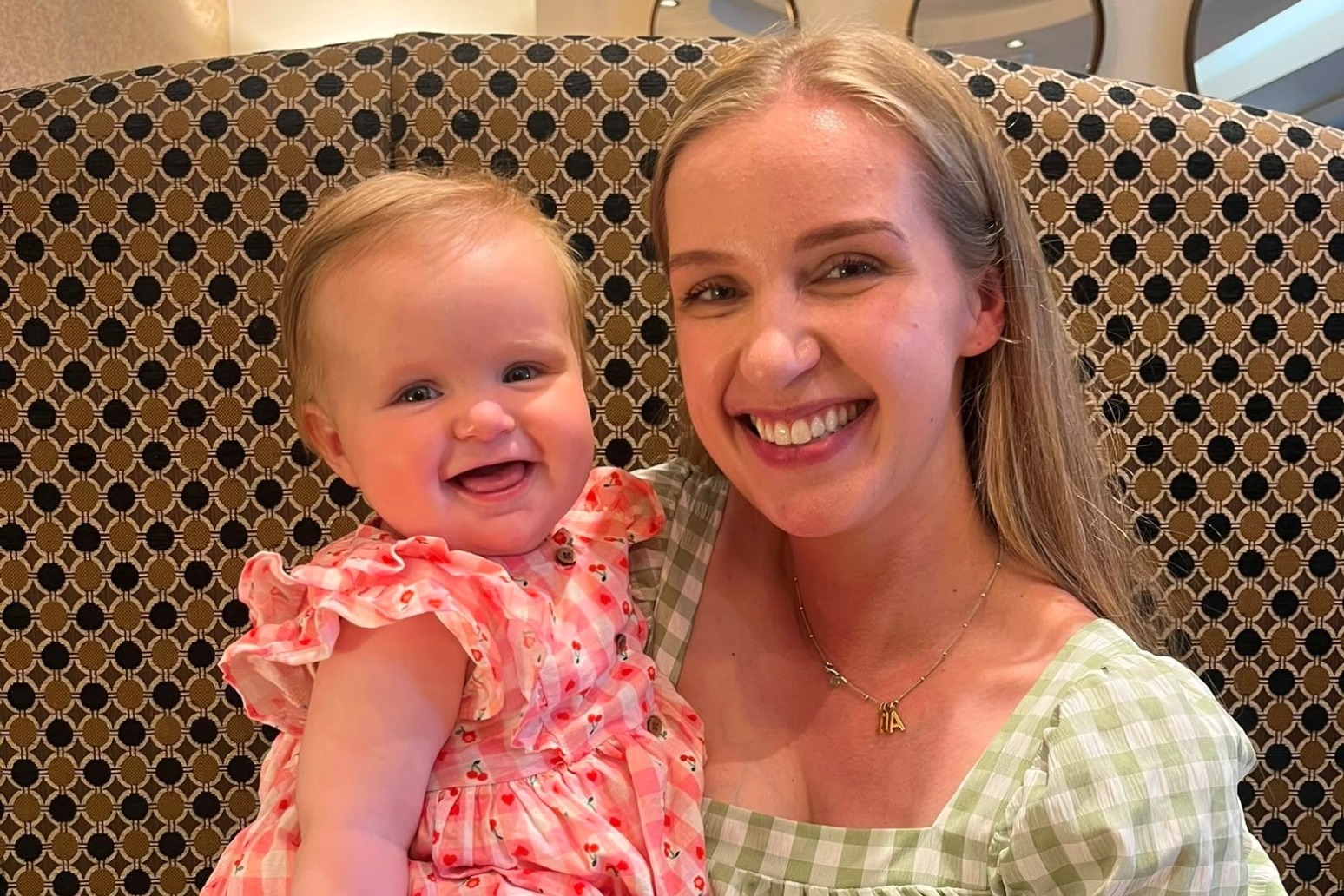
One of the first mothers to donate breast milk for the study was Hannah Brennan, 31, from Glossop in Derbyshire, who has a 12-month-old girl, Ada, as well as a five-year old daughter and two-year-old son.
A registered midwife, who is studying for a PhD at the University of Manchester, she said: “As soon as I saw the research team were looking to recruit women who were breastfeeding, I wanted to do it.
“As I’m doing my doctorate, I’m passionate about people being involved in research.
“My paternal grandmother died aged 51 from breast cancer and sadly I never met her. However, I was named after her and I’m told I look like her so I’m doing this for her as well as my two daughters.
“Participating in the study was really straightforward.
“I just gave a blood sample and donated some breast milk and answered a few questions.
“As a midwife I feel it’s really important to help other women, so if my small contribution can benefit other mothers in the future, I’m just glad to be able to make a difference and would encourage other breastfeeding mums to take part.”
Dr Florent Mouliere, who leads the research team analysing samples, said: “Scientists in our laboratories have identified tiny fragments of genetic material shed by cells in some samples of breast milk that have been donated for this study.
“The DNA structure is unique in breast milk, and we now understand what this DNA looks like, which is a major step forward.”
Louise Hadley, chief executive of The Christie Charity, said “We are very pleased to be able to fund this important research which could improve early detection of breast cancer in high-risk women, including BRCA carrier, enable screening specifically for pregnancy-related breast cancer and help predict risk of postpartum breast cancer.
“It would also provide reassurance for high-risk women wishing to breastfeed, who are currently often advised to stop early so MRI screening can resume.
“This support is part of The Christie Charity’s commitment to providing £30 million of much-needed funding by 2030 to enable our brightest researchers to make game-changing discoveries right here in Manchester.
“We are very grateful for the continued support of all our donors in helping us reach this goal.”
Published: by Radio NewsHub