
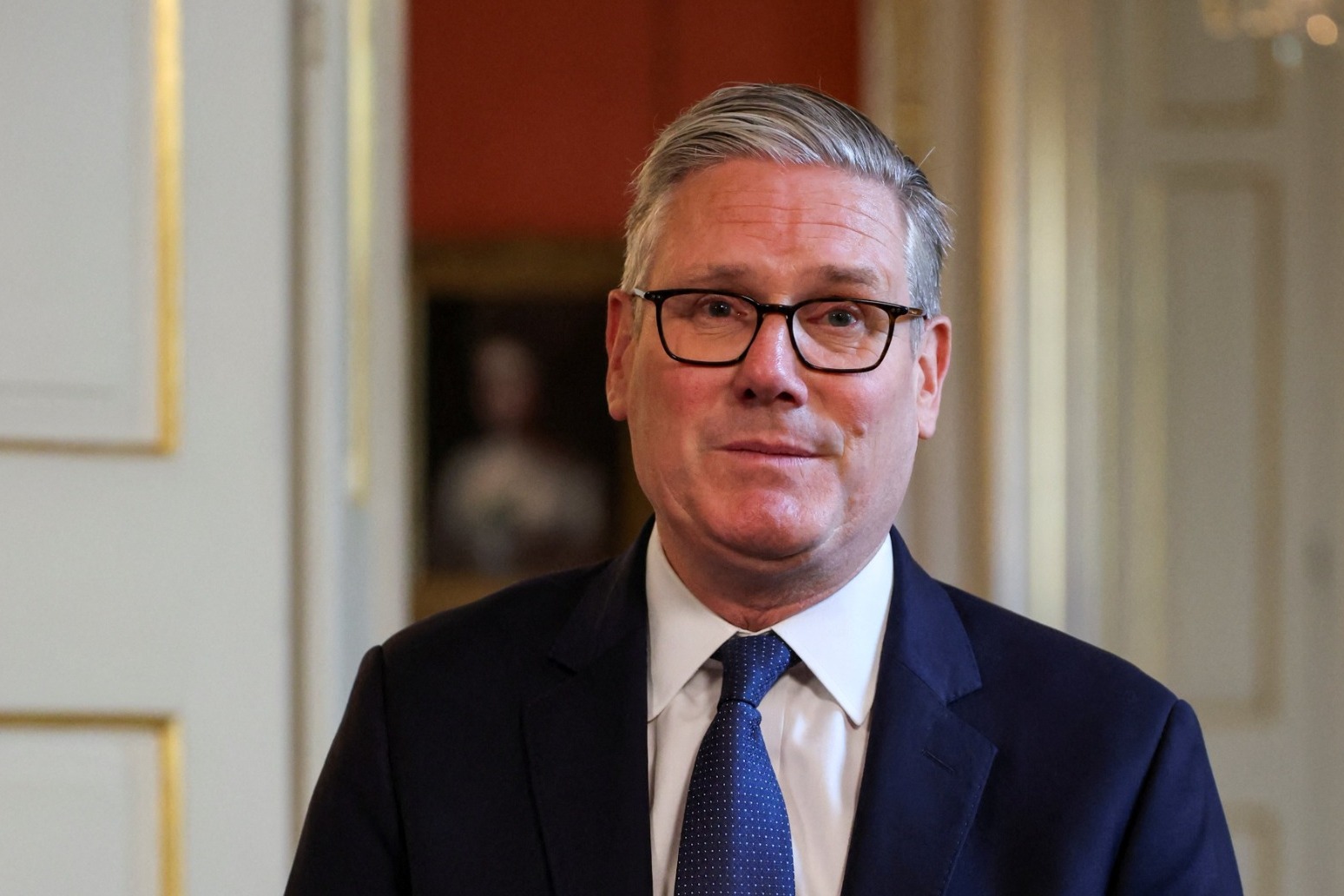
PM tells forced adoption survivors ‘shame is ours’ as he makes formal apology
The forced adoption of babies from unmarried mothers in the decades after the Second World War has been branded a “stain on our history” by Sir Keir Starmer as he made a long-awaited state apology for the historical practice.
Women whose babies had been taken from them watched on in Parliament as the Prime Minister said sorry on behalf of the Government. Echoing the words of the Church of England’s lead bishop who issued an apology last month, Sir Keir told them: “The shame was never yours, the shame is ours.” Some of those in the House of Commons gallery were seen to wipe away tears as the apology was delivered. While there is no exact figure, it is believed an estimated 185,000 babies of unmarried mothers were adopted in England and Wales between 1949 and 1976. In recent decades, as they campaigned for justice, mothers forced to give up their babies described the harrowing experience of having them taken away and the feelings of shame they still live with. Those who were taken from their mothers have spoken, too, of a “harmful narrative” which long persisted that adoption had saved them as children. While administrations in Cardiff and Holyrood issued formal apologies in 2023, it was not until Thursday that the Westminster Government said sorry. At a meeting with campaigners in Downing Street ahead of the statement in Parliament, Sir Keir told the women they had suffered a “double injustice” in having had to wait so long for a state apology. The Joint Committee on Human Rights recommended one in 2022, saying “the Government bears ultimate responsibility for the pain and suffering caused by public institutions and state employees that railroaded mothers into unwanted adoptions”. But the then-Conservative government in 2023 said while it was sorry “on behalf of society” for the way the women had been treated, it did not think a formal apology appropriate “since the state did not actively support these practices”. On Thursday, Sir Keir told MPs in the House of Commons what happened to “tens of thousands of mothers, children, and families, should never have happened”. He added: “It is a stain on our history. “Mothers, many young, vulnerable and without support, were coerced, bullied, or misled into feeling that they had no choice but to have their children taken away from them. What a thing to do. “These were not isolated or accidental acts, they were practices embedded within systems across local authorities, across voluntary and faith-based institutions, and in health and social care services, including parts of what is now the NHS. “All institutions that operated with power over people’s lives, yet they did so without compassion, without consent, and without dignity or proper safeguards. “These practices were particularly prevalent between 1949 and 1976, but also extended beyond those years.” The PM said the harms caused were “compounded by the actions and failures of the state”, with governments having “funded, enabled and relied on systems that were not consistently or effectively overseen” – adding that the “state did not prevent harm from continuing”. Sir Keir said the state was “deeply and profoundly sorry to the mothers who were told they were unfit, who were prevented from caring for the children they desperately wanted to help and to keep, and who have carried this loss for decades”. He also recognised the “sons and daughters, the children who are now adults, who, through pressure and coercion within these systems, were taken from their families, denied their identity, their history, and sometimes their safety”. The formal apology recognises the “lifelong trauma” endured by mothers who had their babies forcibly adopted, the Movement for an Adoption Apology (MAA) said, as it also paid tribute to the many “determined women” who had long pushed for the state to say sorry. The campaign group, founded in 2010, said: “Though this apology has come too late for a significant number of people, it is a positive step for the hundreds of thousands of mothers still living with loss, whose suffering has at last been acknowledged, and for the children who were taken – now adult adoptees – whose lifelong trauma has now been recognised.” Meanwhile, campaigners representing adult adoptees said the apology is for “the adoptees who were taken at their most vulnerable and sent to strangers”. The Adult Adoptee Movement said children had suffered in many forms, through loss of “their wider family, medical history, culture, language or nationality” while some had “suffered abuse, neglect or racism in their adoptive homes; who grew up hearing they were from ‘bad blood’, should be ‘grateful’, or had been ‘saved’”. They added: “It marks a fundamental correction of the narrative on historic adoption practices. What happened to you was wrong.” While no compensation scheme has been put in place, a £4 million support package over three years has been announced to help those affected. The funding will go towards better access to adoption records and improved services for family reunion, the Government said. Campaigners have previously called for survivors to have access to trauma-informed counselling and the Government has promised ministers will work with NHS England to improve access to “appropriate health support, including with mental health challenges”. It also pledged to commission a project to gather testimonials of those who have experience of historical forced adoption. The Government said the support announced was in response to what survivors have said is most needed, “being able to understand their past, access records, reconnect with family where possible and receive support that recognises what they have lived through”. The Westminster apology comes two weeks after one from the Church of England for its role in historic forced adoption. Archbishop of Canterbury Dame Sarah Mullally said the impact on families had been “lifelong” for many and noted survivors had spoken of the “indignity” they faced. She apologised for the “pain, trauma and stigma” caused to those affected, adding that there was a deep shame that the practice had happened to people “in the care of Christian communities”, telling survivors the “shame is ours”. In Northern Ireland, an apology is also expected but not until after a public inquiry has been carried out, following a recommendation from a 2021 report on mother and baby institutions, Magdalene laundries and workhouses.
Published: by Radio NewsHub