
No deal in US-Iran peace talks
Lack of agreement after 21-hour Islamabad negotiations leaves fragile ceasefire in doubt
The United States and Iran have ended face-to-face talks without an agreement, leaving a fragile two-week ceasefire in the war in the Middle East in doubt.
Washington said the negotiations broke down over Tehran’s refusal to commit to abandoning their nuclear weapon programme, while Iranian officials blamed the impasse without specifying the sticking points.
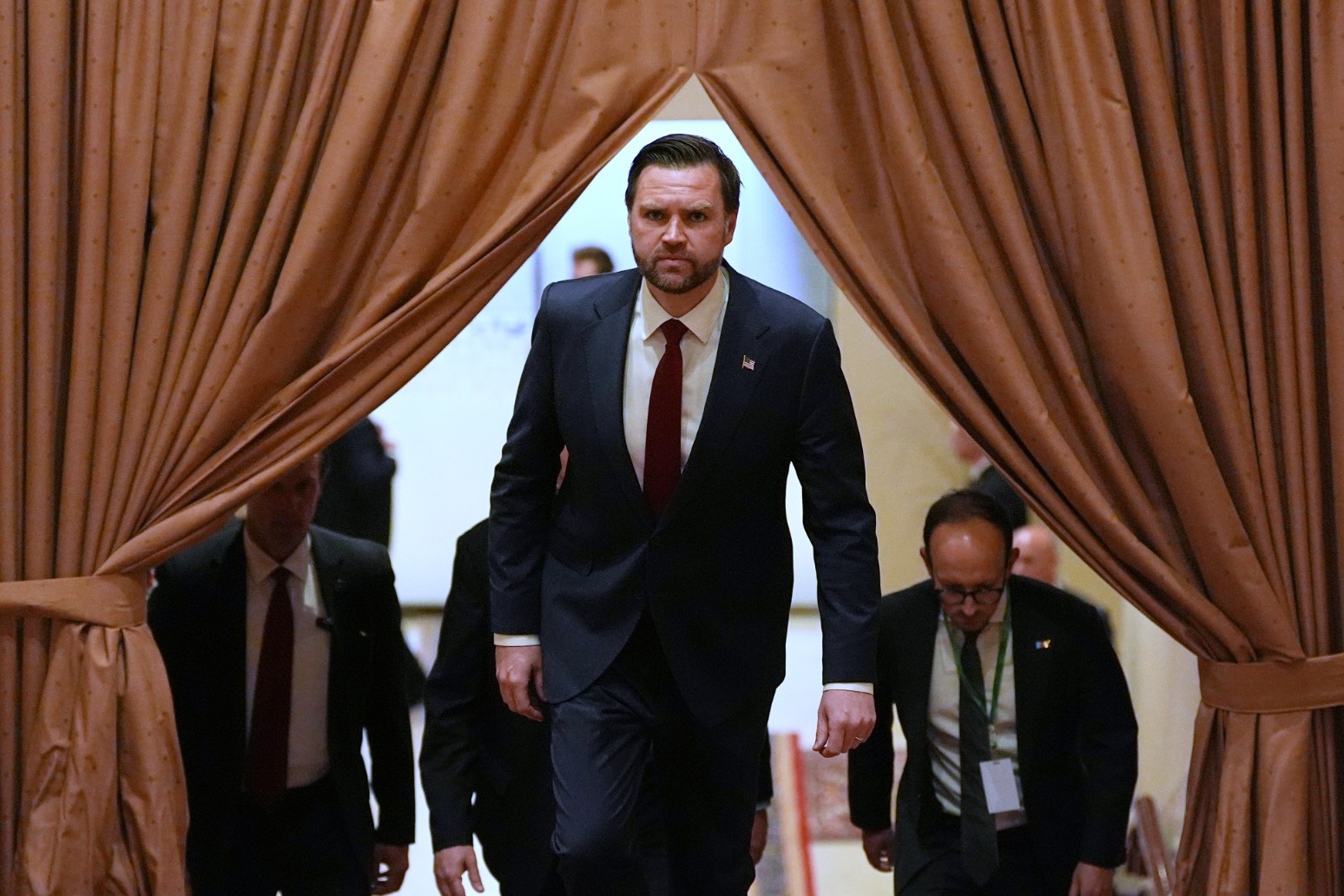
Vice-President JD Vance, who led the US delegation, said after the 21-hour talks: “We need to see an affirmative commitment that they will not seek a nuclear weapon, and they will not seek the tools that would enable them to quickly achieve a nuclear weapon.”
Iran’s parliament speaker Mohammad Bagher Qalibaf, who led Iran in the negotiations, said Tehran had made its position clear and it is time for the United States “to decide whether it can gain our trust or not”.
He did not mention the core disputes in a series of social media posts on Sunday, though Iranian officials earlier said the talks fell apart over two or three key issues, blaming what they called “US overreach”.
Neither side indicated what will happen after the 14-day ceasefire expires.
Pakistan foreign minister Ishaq Dar said his country will try to facilitate new dialogue between Iran and the US in the coming days, adding: “It is imperative that the parties continue to uphold their commitment to ceasefire.”
Since the US and Israel launched the war on February 28, it has killed at least 3,000 people in Iran, 2,020 in Lebanon, 23 in Israel and more than a dozen in Gulf Arab states, and caused lasting damage to infrastructure in half a dozen Middle Eastern countries.
Iran’s grip on the Strait of Hormuz has largely cut off the Persian Gulf and its oil and gas exports from the global economy, sending energy prices soaring.
The United States and Iran entered talks with sharply different proposals and contrasting assumptions about their leverage to end the war. Before negotiations began, the ceasefire was already threatened by deep disagreements and Israel’s continued attacks against the Iranian-backed Hezbollah in Lebanon.
Iran’s 10-point proposal ahead of the talks called for a guaranteed end to the war and sought control over the Strait of Hormuz. It included ending fighting against Iran’s “regional allies”, explicitly calling for a halt to Israeli strikes on Hezbollah.
The United States’ 15-point proposal included restricting Iran’s nuclear programme and reopening the strait.
Published: by Radio NewsHub