
G7 leaders agree to release ‘up to 100 million barrels’ of petroleum reserves
G7 leaders have agreed to release “up to 100 million barrels” of strategic petroleum reserves “within four months”, French President Emmanuel Macron has said.
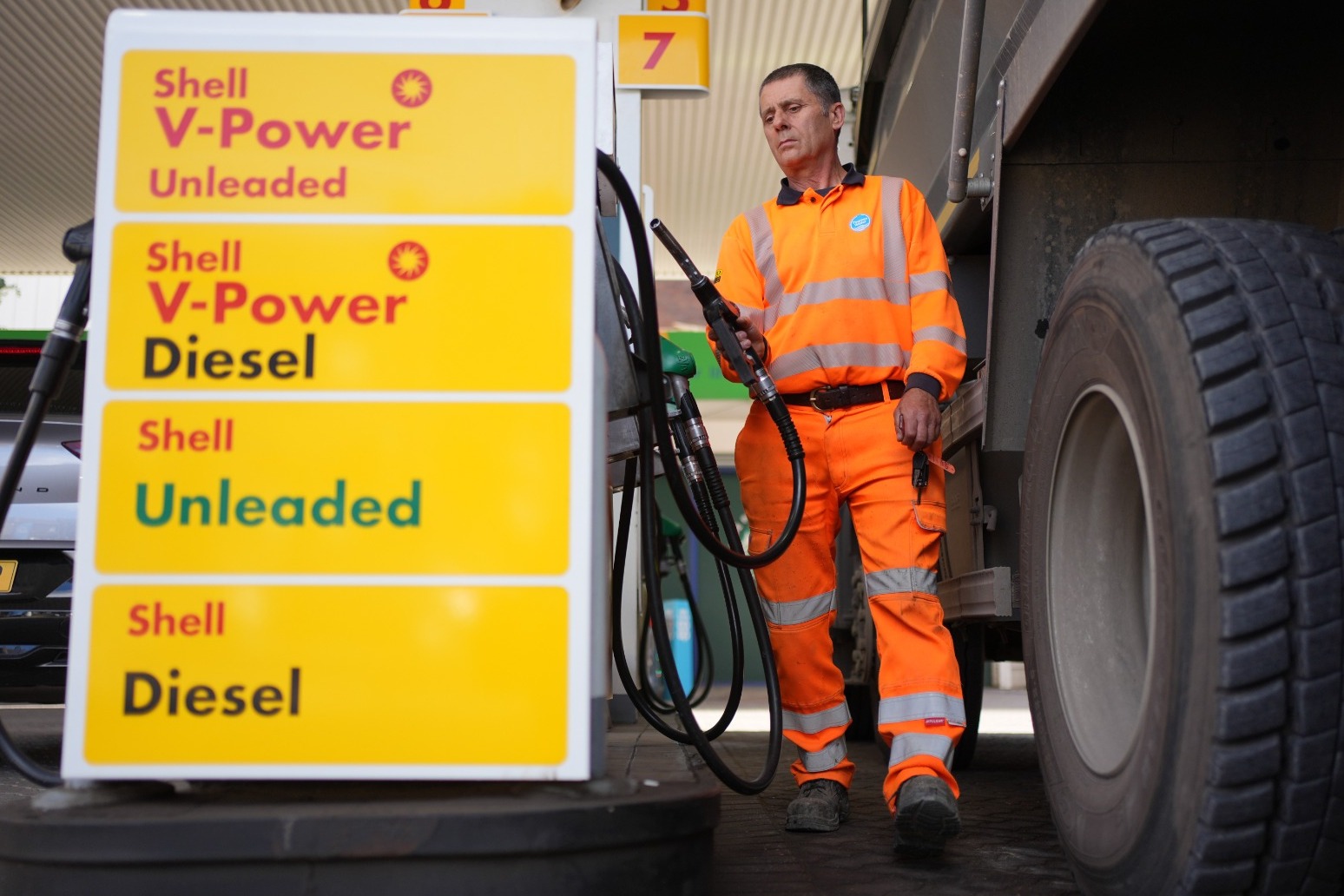
Mr Macron also wrote on X that G7 members had agreed to “take no measures to restrict the exchange of energy and petroleum products between partner countries”. Foreign Secretary Ed Miliband was due to stand in for Andy Burnham on a call with G7 leaders on Friday, to discuss world energy markets, while the Prime Minister attends his father’s funeral. Mr Macron wrote on social media: “I just brought together the G7 leaders to discuss the global energy situation. “We agree to work in a coordinated manner to help bring down the prices of petroleum products, particularly diesel.” A joint G7 leaders’ statement after the virtual meeting read: “Facing unprecedented volatility in oil markets – with surging prices threatening economic stability and the well-being of our citizens – we have agreed on decisive, coordinated measures to stabilise immediate energy supplies, shield households and businesses from price shocks, and strengthen the long-term resilience of global energy systems. “We will coordinate maintenance schedules across G7 refineries to prevent simultaneous capacity shutdowns and temporarily increase utilisation rates where feasible. “We also encourage engagement with countries holding significant refining capacities to boost global production of refined products, particularly diesel, in light of ongoing market pressures in this segment. “The G7 requests the IEA (International Energy Agency) to monitor the immediate and full implementation of the March 2026 commitments. “In this regard, taking into account commitments that have already been fulfilled, we will implement our commitments with a coordinated release through the IEA of 100 million barrels to begin immediately over four months, including a frontloaded substantial diesel release within the first 20 days by G7 members and partners.” The G7 leaders also appeared to pour cold water on the suggestion of a US diesel export ban, after its president Donald Trump told Fox News on the weekend he was “thinking about it very seriously”. They wrote in their communique: “We reaffirm our commitment to refrain from export restrictions on energy and energy products between G7 countries and call on all producers to refrain from imposing bans that could exacerbate market tensions.” Export restrictions on US oil would have left Britain competing with other countries to find an alternative supply, potentially driving record-breaking diesel prices even higher. Average diesel prices at the pump broke the £2 per litre mark for the first time on Friday, at 200.01p, according to figures compiled by the RAC. Earlier this week, the price surpassed the previous all-time high of 199.09p, set in June 2022 after Russia’s invasion of Ukraine. Edmund King, president of the AA, said the G7’s latest move “will hopefully settle the nerves in the global fuel markets and begin to bring prices down”. He continued: “The global uncertainty from the conflict in the middle east and demands from the US president have already affected fuel prices but hopefully the markets will now see sense. “The UK Government assures us that we have robust and resilient supplies.” Mr King added “the Government can help” bring prices down for motorists by “getting rid of the proposed 5p fuel duty increase”, due to take full effect in spring 2027. “This could be funded by the extra VAT income the Treasury has collected as a result of higher fuel prices,” he said. “Every 6p increase in the pump price gives the Treasury an extra 1p VAT.” Transport minister Keir Mather earlier said he wanted to “reassure people this morning that the United Kingdom has got a diverse range of supply when it comes to diesel”. He added: “Although prices have gone up at the pump, the Government is aware of that and the freeze in fuel duty is still in place. “People shouldn’t be concerned about shortages because of the inherent resilience that is built into that system.”
Published: by Radio NewsHub