
England and Wales suffer driest July on record in summer of extreme weather
England and Wales have had their driest July in records dating back to 1836, provisional statistics from the Met Office show.
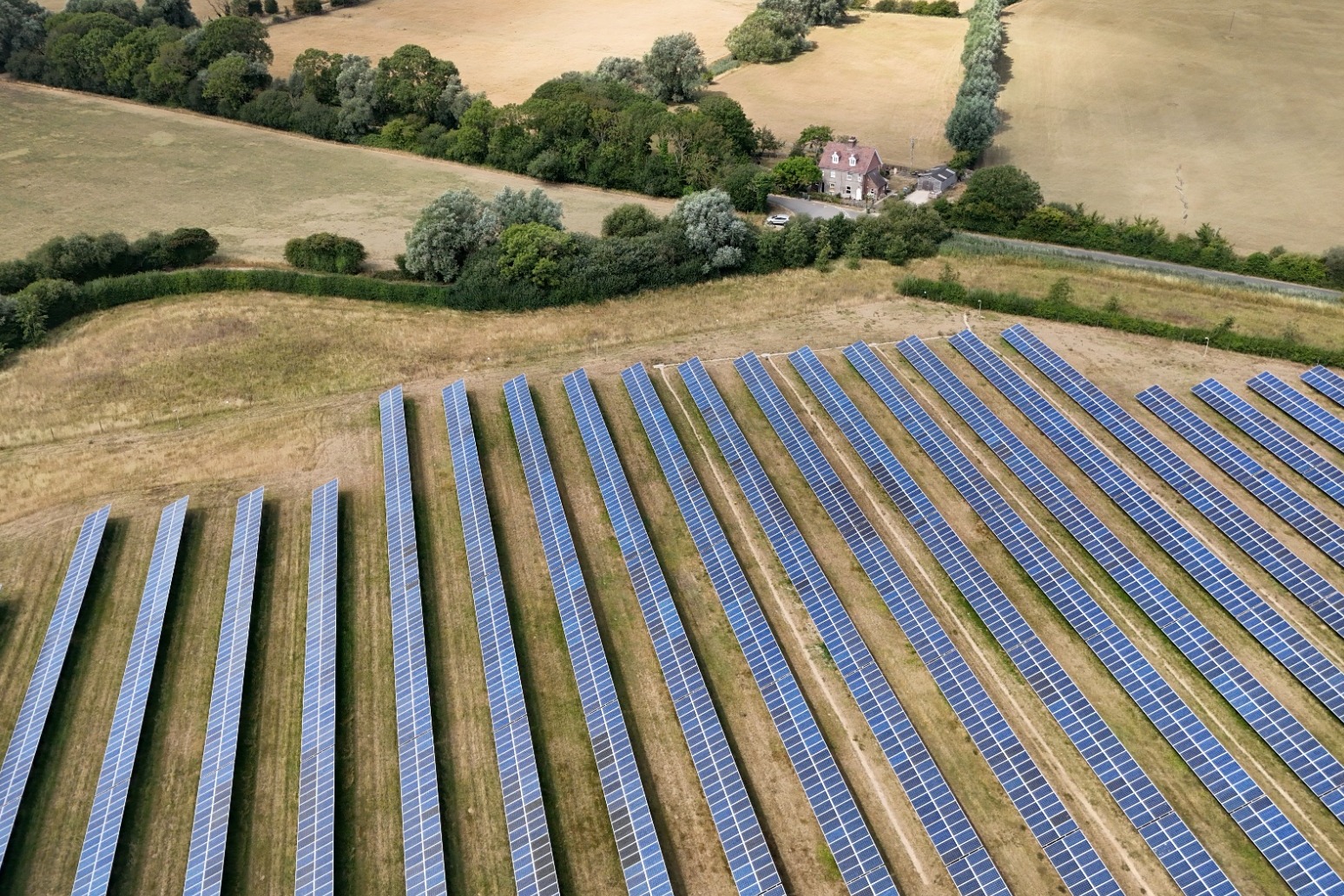
And southern England has experienced its driest month ever recorded, as more records tumble amid a summer of extreme weather that has seen multiple heatwaves and the whole of Wales and half of England plunged into drought. Some 19 counties across England recorded effectively no rainfall – 1mm or less – across the whole of the month, the Met Office figures show. England as a whole had just a 10th of the average rainfall for the month, while Wales saw just 9% of the average, with both countries seeing less than half of the rainfall in the previous record dry July in 1911. Southern England also had its hottest July on record, while it was the joint hottest July on record for Wales, and the UK and England had their second hottest July, the provisional figures show. And in an exceptionally sunny month, the UK, England and Wales have all recorded their sunniest Julys on record – and for England and Wales it was the sunniest calendar month ever observed, the Met Office said. The exceptional sunshine helped solar power to a new monthly record, with the renewable technology providing 14.4% of all electricity over the month – and delivered a peak of 44% of generation for a period on the morning of Sunday July 12. The latest figures were published as a swathe of England is under another amber heat health alert with temperatures forecast to reach as high as 35C on Monday. The UK is facing the impacts of increasingly extreme weather such as droughts and heatwaves fuelled by climate change, which is caused mostly by burning fossil fuels in power plants, vehicles, home heating and industry, as well as from planet-warming emissions from agriculture and clearing forests. The summer of extreme weather has seen two record-breaking heatwaves, in May and June, that led to more than 2,800 excess deaths, and two more heatwaves in July which has fuelled drought and wildfires. The harvest has come early and farmers are warning of poor crop yields while livestock are already being fed winter feed, some 23 million customers are under hosepipe bans, and rivers and the natural environment are struggling with low water levels. In the latest heat spike, the UK Health Security Agency (UKHSA) has amber heat health alerts in place for the East Midlands, East of England, South East and London until Wednesday morning. There are also yellow heat health alerts for the North West, South West, West Midlands, and Yorkshire and The Humber, as the agency warns the latest high temperatures could put extra pressure on the NHS, with more vulnerable people likely to require medical treatment. Temperatures are expected to gradually decrease in the second half of the week, and there is some more unsettled weather forecast for parts of the UK including a yellow warning for thunderstorms in Northern Ireland. But the South East will continue to see little in the way of desperately needed rain, the Met Office has warned. Met Office science manager Dr Amy Doherty described July as a “truly remarkable month” in the UK’s climate record. “The combination of record-breaking dryness, exceptional warmth and unprecedented sunshine has delivered one of the most notable summer months in our historical records,” she said. Helen Wakeham, chairwoman of the National Drought Group and director of water at the Environment Agency, said: “Dry weather depletes our water, while the hot conditions mean we use more of it. “This is a difficult combination, and we are seeing the effects on our farmers, our wildlife, and the amount available for public and business use. “All sectors are taking action, and we are grateful to the public for following the restrictions, where in place, to make sure there is enough water for everyone this summer. “We want everyone to stay safe and hydrated during the hot weather but every drop we can save is a drop more for nature and agriculture.” In London, park chiefs are urging people to enjoy the capital’s open spaces safely, by keep out of ponds, lakes and reservoirs with no lifeguards, never light barbecues or open fires, dispose of cigarettes safely, carry water and stay in the shade in the heat of the day. The City of London Corporation, The Royal Parks, The National Trust, Lee Valley Regional Park Authority, and Parks for London, between them manage popular green spaces in the capital including Epping Forest, Hampstead Heath, Richmond Park and Hyde Park.
Published: by Radio NewsHub