
Energy bills set to see biggest rise in four years in January, experts warn
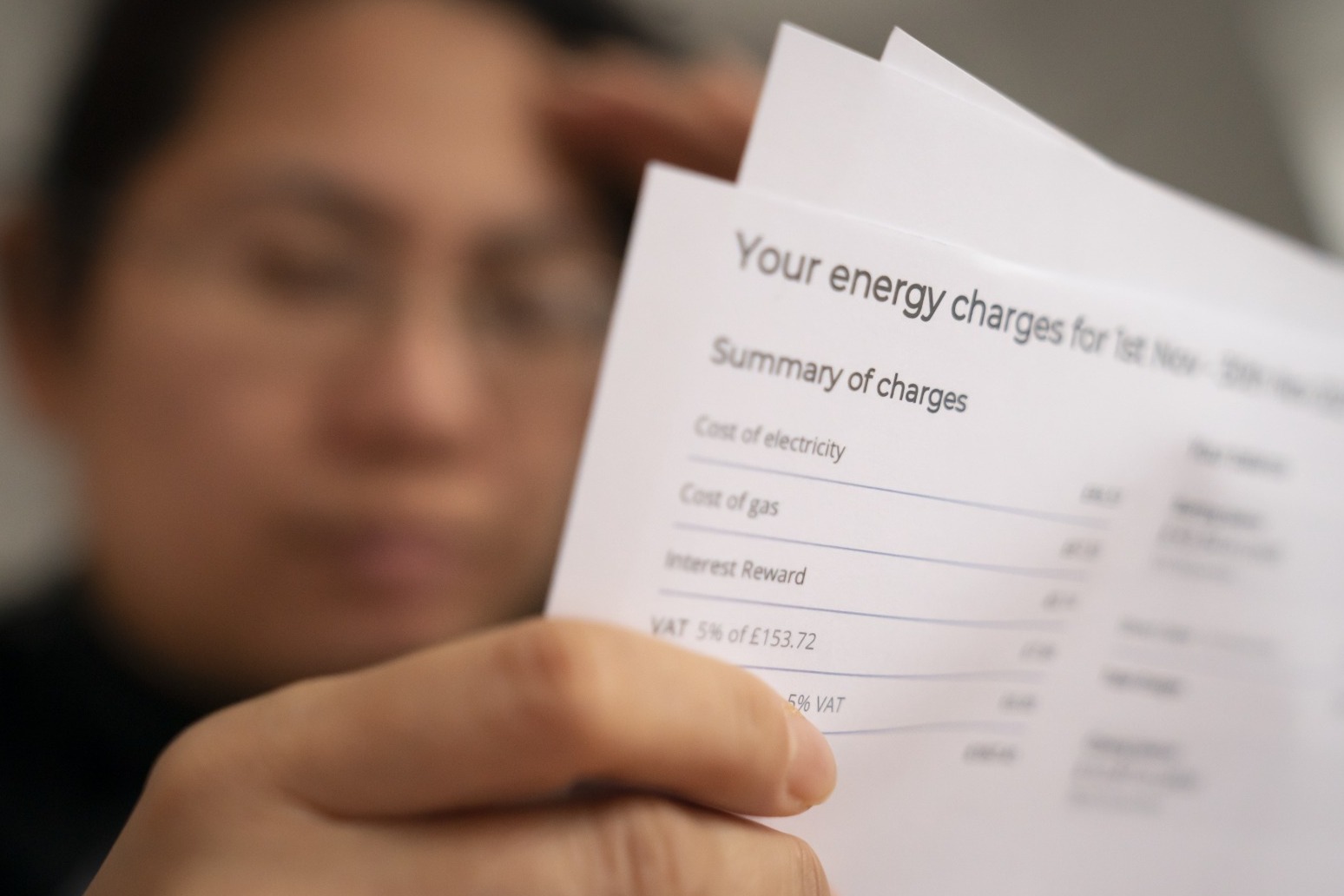
Household energy bills are forecast to see the biggest hike in four years as experts warned a typical bill could soar by nearly £300 in January due to the Iran war.
Experts at Cornwall Insight have predicted the average dual fuel energy bill will rise by 16% to £1,999 a year on January 1, up by £276 on the level between October and December and the biggest rise since January 2023.
Cornwall said the increase is driven by the escalating conflict in the Middle East, which has disrupted gas supplies to the UK and worldwide as the vital Strait of Hormuz shipping route has been effectively closed since the Iran war began in February.
Storage levels of EU gas are now at their lowest September level for 15 years, Cornwall Insight said.
The stark warning comes ahead of the October 1 rise in Ofgem’s energy price cap, which will see bills jump by 4%.
The increase on Thursday will mean the energy bill for the average household in England, Scotland and Wales paying by direct debit for gas and electricity reaches £1,723, up £5 a month or £60 a year if this level was sustained over 12 months.
More than four million homes who remain on a standard energy tariff will be impacted, coming at a time when cooler temperatures will see many switching on their central heating.
Dr Craig Lowrey, principal consultant at Cornwall Insight, said: “These prices are going to hit households hard.
“January is already a difficult month for many, with cold weather and bank balances still recovering from Christmas, and now they face the biggest price cap rise we’ve seen in four years.
“At the moment, we can’t yet see an end to the volatility, and with gas stocks as low as they are, the effects of the conflict could be with us for many more months.”
He said the Budget on October 28 may offer some more support to under-pressure households, on top of the decision to remove VAT from household electricity bills, which also takes effect from Thursday.
“However, the Government is going to have to think carefully about the type and level of support that they make available,” he said.
The removal of the 5% levy until March 31 next year will save the average bill payer around £45 a year, estimates from the Government show.
The policy was one of Andy Burnham’s first moves as Prime Minister to ease household bills, announced in July on the day after he took over the post.
Households will still pay 5% VAT for gas.
Comparison site Uswitch urged households without smart meters to send in readings to their supplier by the end of the month to avoid being charged higher rates for energy used before October 1.
Homes on a standard tariff with average usage are expected to spend £145 on energy in October, compared with £109 in September.
The increase of a third is down to a combination of increased usage due to cooler temperatures and higher unit rates under the latest price cap.
The energy regulator will announce its next price cap, covering January to March 2027, in November.
National Energy Action chief executive Adam Scorer urged the Government to do more to help poorer households with energy costs.
He said: “The Autumn Budget must deliver additional targeted support for households most at risk this winter, alongside action to tackle energy debt and improve the least energy efficient homes.”
Published: by Radio NewsHub