
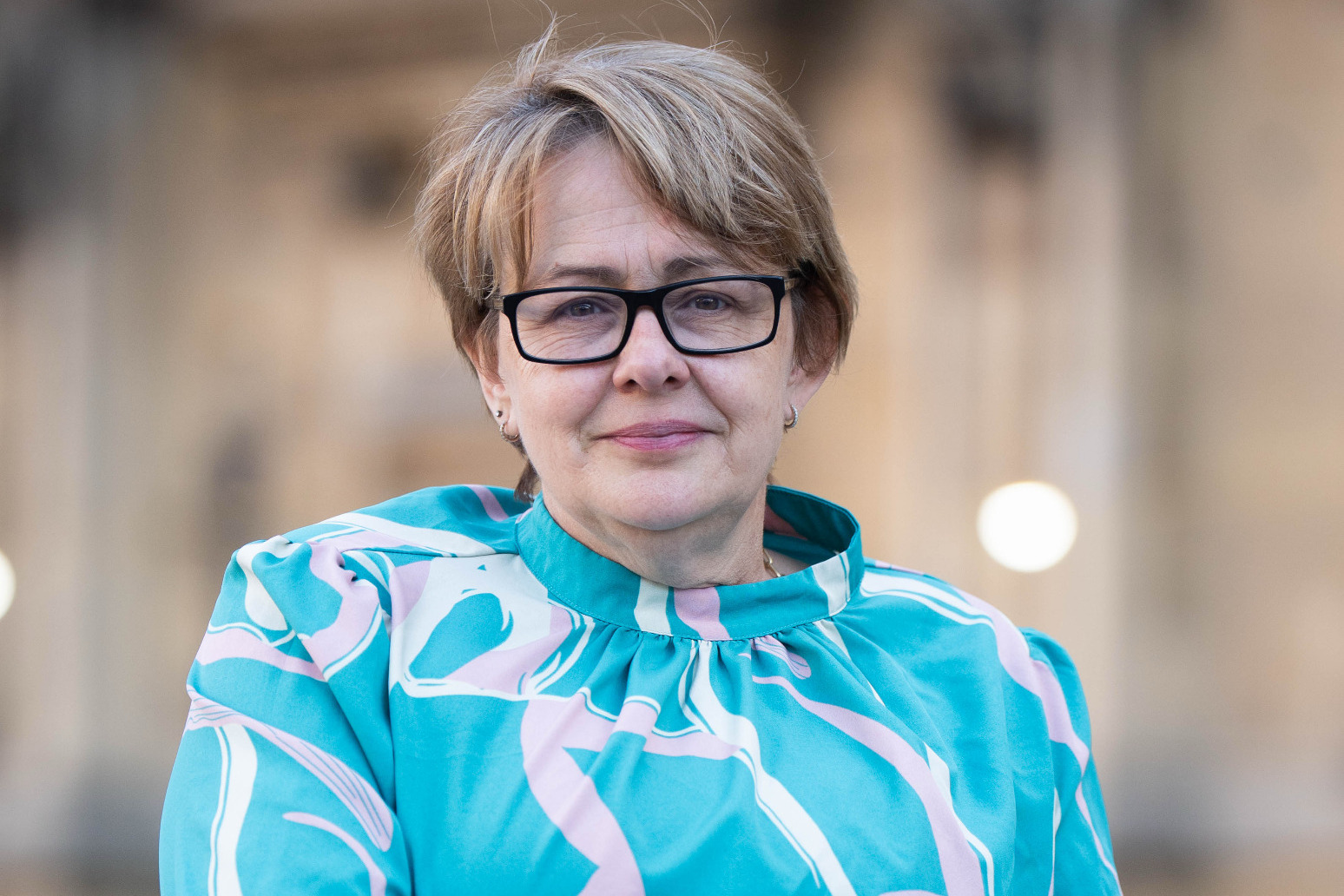
Draft law a chance to improve air travel for wheelchair users
That's according to paralympic gold medalist, Baroness Tanni Grey-Thompson
A Paralympic gold medallist has described proposed reforms to air passenger rights as a chance to improve flying for wheelchair users.
Baroness Tanni Grey-Thompson told the Lords that “everything’s just a little bit too ad hoc” in the aviation sector, when disabled people raise concerns or try to get compensation for broken equipment.
She spoke in Tuesday’s debate on the Civil Aviation (Consumer Protection and Regulatory Reform) Bill, which the Lords backed at second reading.
Once it clears Parliament, the Bill will give authorities new powers to fine airlines which fail to look after disabled people.
It will also give ministers the power to set new rules around when aircraft can take off and land, what airlines have to do when someone’s luggage goes missing, and price transparency.
Lady Grey-Thompson described a time her chair went missing on a trip from Geneva, Switzerland, to Birmingham.
The independent crossbencher said: “When it became clear my chair was not there, I was asked by a member of staff, had I ever tried to walk?
“Would I like to try to walk? No – can’t walk.
“The airline tried then to return two sleeping bags to me and argue with me that was my lost property, even though they were clearly tagged to a different airport and another name.”
Lady Grey-Thompson said her wheelchair was found “several weeks later” around 200 miles away in Dublin.
“It came back to me in two pieces,” she added.
“It had literally been cut in half and it was suggested that I might like to try and duct tape it back together, which didn’t work.”
Speaking about another flight, the former Paralympian said when the wheels of her racing chair were damaged, an airline “immediately jumped to replacing them” with a more expensive set.
The wheelchair racing champion said: “I do think there needs to be some proper assessment of damage and ensuring that the level of liability is commensurate with the need of the equipment.”
She earlier described “a lack of data of when things go wrong – it’s hard to know who to contact, who to complain to, how to resolve issues and actually even who has responsibility”.
Lady Grey-Thompson said: “This Bill does present a significant opportunity to do something very different for disabled people.”
Lord Christopher Holmes of Richmond, another Paralympic gold medallist, called for more clarity on how disabled passengers’ rights will be reformed “on the face of the Bill”, without waiting for a minister to write the rules after it is passed.
The Conservative peer, a blind former swimmer, said: “Come fly with me? Well, not without greater protection and coverage on the face of the Bill, not least for disabled people.”
He later added: “When we look at the current draft of the Bill, we see nothing specifically for disabled people, older people, younger people, or anything specific on equality.
“Would the minister (Lord Peter Hendy of Richmond Hill) not agree that to have an inclusive-by-design statutory duty set out on the face of the Bill would be a huge step forward, yes, for disabled passengers, but for all passengers boarding a plane?”
Labour peer Baroness Theresa Griffin of Princethorpe said she had experienced being left in “holding pens in airports, once being given colouring pencils” when she was en route to Strasbourg, France, for a European Union event.
She asked whether the secondary legislation which ministers write will cover both airlines and airports.
“The answer is that it will apply to both,” transport minister Lord Hendy said in response.
He said several peers “spoke passionately and with great strength of feeling about the inadequacy of some of the actuality that people have faced, particularly if they’re disabled, whether they’re physically disabled or neurodivergent or with sensory issues about air travel”.
He continued: “And that’s why the Government has brought this forward, because actually it doesn’t accept that that’s inevitable.”
Lord Hendy said the Bill was designed “to give this industry the ability to keep pace with international standards so that it can continue, as many noble Lords have remarked, to make up the contribution to economic growth that it does”.
Aviation minister Keir Mather earlier said in a statement: “Our new laws will modernise UK aviation, supporting the redesign of our airspace for faster, more efficient flights, while enhancing aviation safety standards and delivering greater passenger protections.
“We’re proud of the strong, reliable experience our sector delivers day-in day-out for passengers and we are clear that no one should be let down when they travel.
“That’s why we are giving the CAA (Civil Aviation Authority) new enforcement powers, including the ability to issue fines on the rare occasion airlines and airports don’t meet passenger rights obligations.”
Published: by Radio NewsHub