
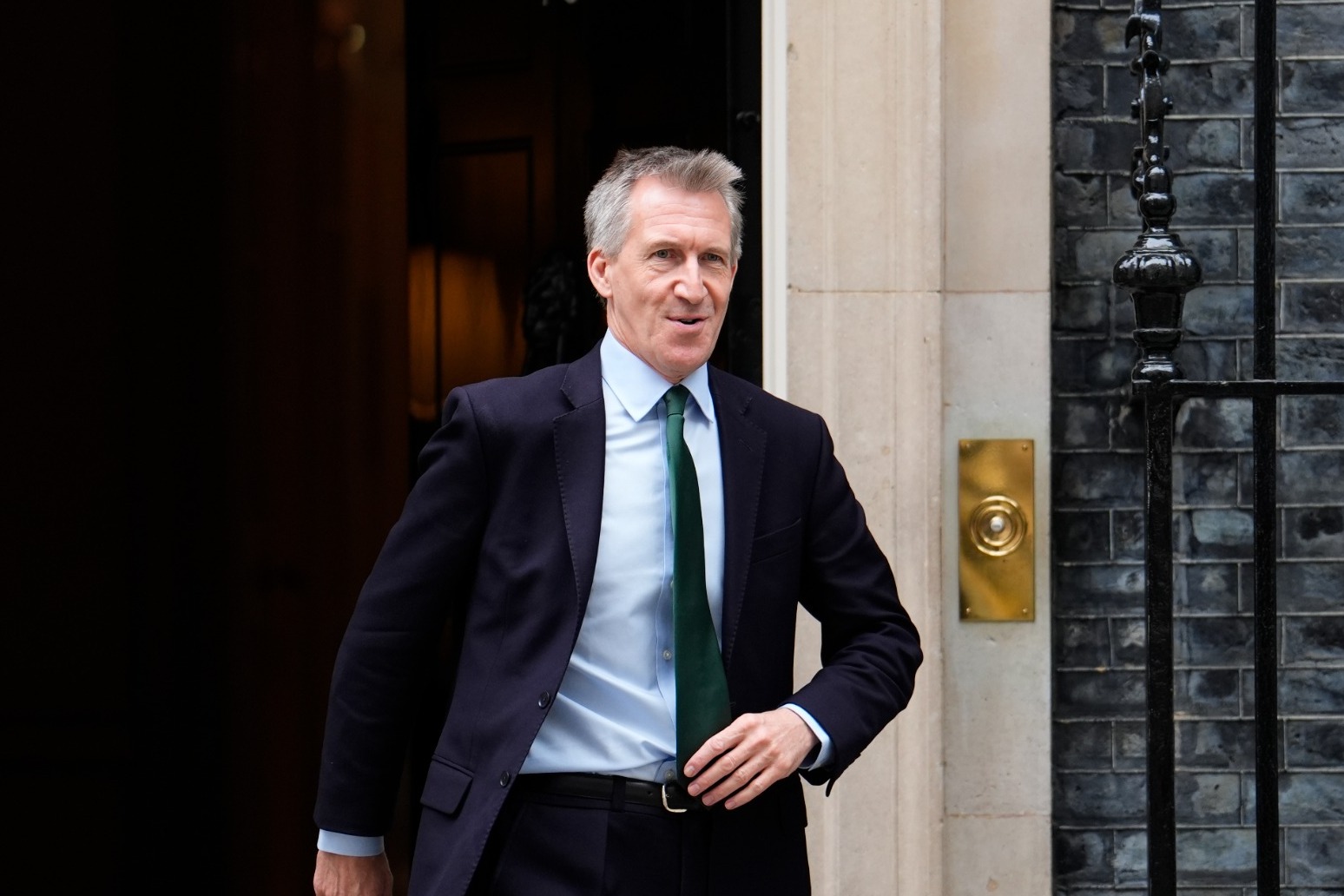
Defence Secretary heads to Nato gathering without investment plan in place
Britain’s new Defence Secretary will meet his Nato counterparts without the promise of extra funding to prepare the armed forces for the growing threat of Russia.
Dan Jarvis is meeting other Nato defence ministers in Brussels on Thursday, only a day after the alliance’s chief Mark Rutte said he expected all member states to soon present “clear, concrete and credible plans” for raising defence spending to 5% of gross domestic product (GDP) by 2035.
But Mr Jarvis will arrive in the Belgian capital without a defence investment plan (Dip) in place.
His predecessor John Healey resigned a week ago over a dispute at the heart of Government over the Dip, claiming the plan was only due to provide £13.5 billion extra investment in defence, far short of the £28 billion over four years which defence officials said was necessary to transform the UK’s armed forces.
The commitment Nato members are expected to meet by 2035 is split into a 3.5% GDP core defence spending commitment, and a 1.5% GDP commitment to wider resilience spending.
Mr Healey’s resignation letter also suggested the UK was only on course to spend 2.68% of GDP on core defence by 2030 as a result of commitments in the Dip.
The Dip remains unpublished after Mr Healey’s exit, though ministers insist it will be released before the Nato leaders’ summit in Ankara, Turkey, which begins on July 7.
In a challenge to Nato members issued on Wednesday, Mr Rutte said: “Ahead of the summit in Ankara, allies will highlight how they’re delivering on commitments made in The Hague last year. Investing 5% of GDP in defence by 2035. That’s what we agreed.
“So, I expect nations to present clear, concrete and credible plans to reach that goal. Ideally, well ahead of the agreed timeline. And many are already showing that they are doing exactly that.”
Speaking to reporters on Wednesday about Mr Rutte’s challenge, defence minister Louise Sandher-Jones said Britain will show Nato its “strong commitment” to defence by emphasising what it had already delivered, which she described as the “biggest increase in defence spending in a very long time”.
Published: by Radio NewsHub