
Healey to set course for 3% defence spend by 2030 at spending review
The Government will aim to spend 3% of economic output on defence by 2030, and will plot a course for the target at next year’s spending review, John Healey has said.
Work is under way to reach the target – and Britain’s promise to Nato to spend 3.5% of GDP on defence by 2035 – in a “fiscally sustainable way”, the Chancellor said, indicating that raising defence spending further could in part come from making cuts elsewhere.
Mr Healey’s target of 3% by 2030 would fulfil a threshold he thought would be missed under Sir Keir Starmer’s premiership, which sparked his resignation as defence secretary earlier this year.
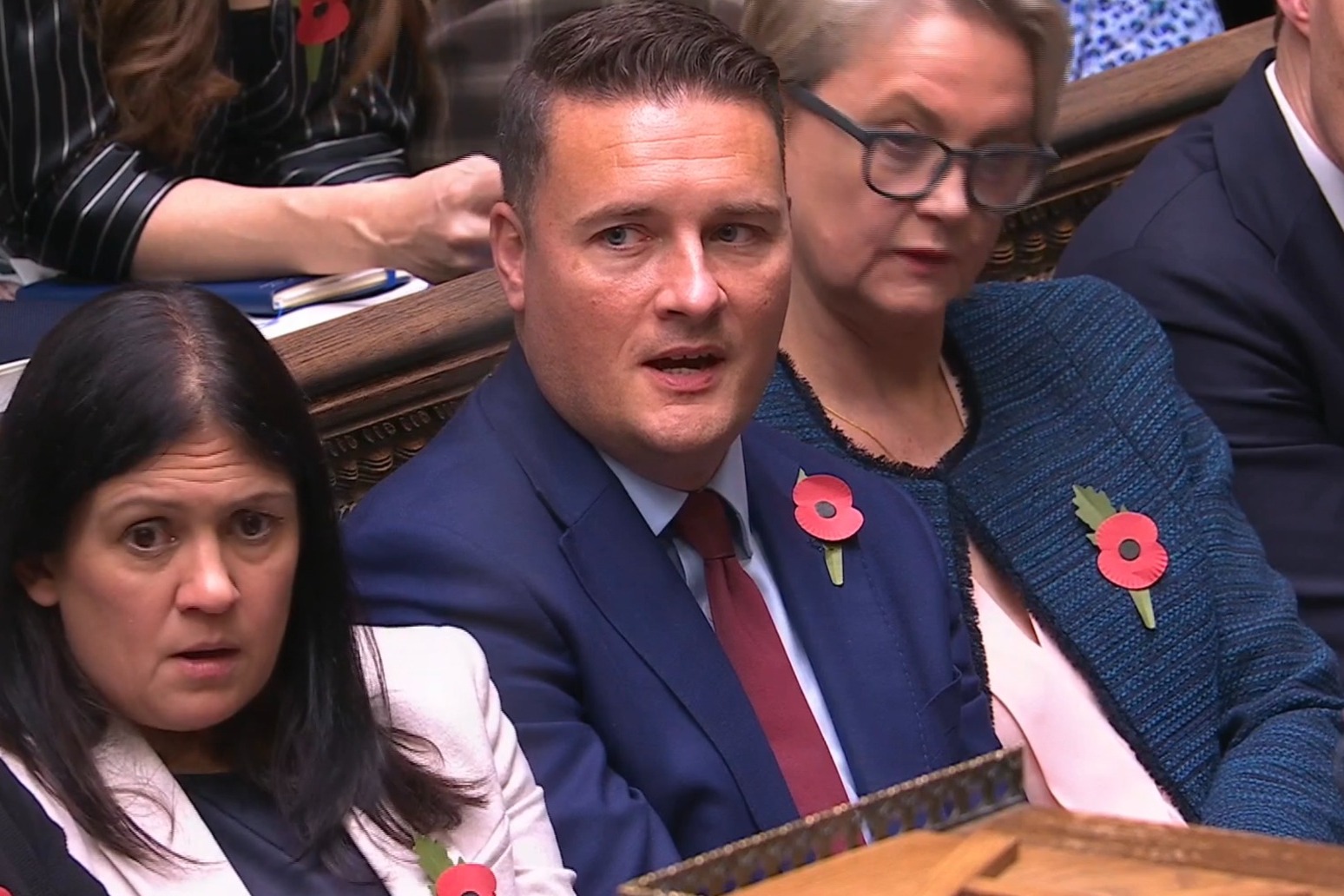
The announcement was welcomed by Nato secretary general Mark Rutte, Defence Secretary Wes Streeting and author of the strategic defence review (SDR) Lord Robertson of Port Ellen.
Meanwhile, Tory leader Kemi Badenoch criticised his announcement as a “plan to have a plan”.
As he delivered his first Budget, the Chancellor told the Commons: “This year, our defence budget is £14 billion higher than it was in the Conservatives’ last year of government.
“At the spending review next year, I confirm that I will set out the details of how we will meet our Nato commitment to spend 3.5% of GDP on defence by 2035, with a target date for 3% in 2030.
“And today I am getting work under way to get there in a fiscally sustainable way.”
Reaching the 3% target by the end of the decade is estimated by the Office for Budget Responsibility to cost an extra £17.3 billion in 2029-30.
And Mr Healey hinted that reaching the commitment could come at the cost of spending elsewhere, telling MPs: “That will include looking hard at public spending, as I have done to fund the defence investment plan (Dip) today.
“But I am also determined to use more innovative financing, alongside the private sector and our international allies.”
Mr Healey also committed at the Budget to “fully funding” a £4.7 billion black hole in the defence investment plan, left over by Sir Keir Starmer.
The £4.7 billion shortfall will be funded “through reprioritisation of capital budgets”, according to the published Budget document.
Departments across Government will be asked to reduce their capital budgets by 1% between 2027-28 and 2029-30 to raise some £3 billion.
The remaining £1.7 billion shortfall will be made up from an “unallocated contingency in the Treasury’s capital reserve”, the Budget said.
The Dip, one of Sir Keir’s final major announcements as prime minister, promised an extra £15 billion of funding for the UK defence sector but only committed £10.3 billion to it, leaving the rest for Mr Healey to find.
The extra cash means Government spending on defence will rise to a 2.7% share of the economy by 2027.
Responding to the Budget, Conservative leader Kemi Badenoch said Mr Healey had not met his pledge and was making troops more unsafe.
Mrs Badenoch said: “He should have set out a plan for 3% today. So now he is the man who is increasing risk to personnel on operations, he is the man who is making our country less safe, he has failed his own test.
“This is on him and no-one will ever forget. If he had any decency he would resign again today.”
She added: “What he’s done is he’s given himself a bit of breathing space until next year. Instead what we have is a plan to have a plan. I bet (Vladimir) Putin’s really scared now.”
Ahead of the Budget, Ukrainian president Volodymyr Zelensky urged the Chancellor not to delay hiking defence spending.
He told the Sun newspaper: “Can the United Kingdom trust Russia or not? If not, defence needs to be 100% the priority.
“My advice to John is don’t delay. Sorry John … but it’s important to be direct.”
Prime Minister Andy Burnham confirmed he and the Chancellor had spoken to the Ukrainian leader on Wednesday morning ahead of the Budget, and had “assured him of our steadfast support”.
Mr Healey then revealed to the Commons the extent of Britain’s support for Kyiv’s war effort over the coming winter.
He told MPs: “The week in Kyiv started with Russia launching another brutal ballistic missile attack on the city. And this morning, the Prime Minister and I called President Zelensky to tell him about our commitments in the Budget today. He told us: you’ve made my day.
“£10bn of additional economic and military support – based on loans, export finance guarantees, and half a billion in urgent military funding for this winter.
“The whole house, the whole country, is united for Ukraine. Today we send a clear message to Moscow: Britain will stand with Ukraine for as long as it takes.”
After the announcement, Nato secretary general Mark Rutte posted on X that it would put Britain “on a credible path” towards meeting its Nato commitments.
He posted on X: “Good news on the new budget from Mr Healey with a strong commitment on defence.
“The UK role in transatlantic security is vital and I welcome this move to put Britain on a credible path towards meeting the commitment made by all Nato allies in The Hague – to ensure we’re all investing what’s needed to remain ready (and) able to deter aggression, and defend our freedom and security.”
Defence Secretary Wes Streeting posted on X: “This Labour Chancellor is investing in our defence – a Britain ready to fight and a country worth fighting for.”
SDR author and former Nato secretary general Lord Robertson of Port Ellen said: “John Healey is acting in the national interest – and has done exactly what he said was needed for defence in his resignation letter, by setting a headmark for 3% in 2030.
“I am strongly in favour of innovative ways of financing defence – and this is a credible route to get more into UK defence. Today’s announcements strengthens UK leadership in Nato once again.”
Liberal Democrat leader Sir Ed Davey pressed the Government to push for a “European rearmament bank” which he said would “bring our allies together behind a shared vision of defence investment to protect our continent from Putin”.
Published: by Radio NewsHub